You're at a nursery. You pick up a plant that looks perfect for that empty corner near the fence. The tag says part sun. That corner probably gets some sun in the morning and some shade in the afternoon, but you've never actually measured it. Is that enough? Too much? And is "part sun" the same thing as "partial shade"?
Plant tags use surprisingly precise light categories that nurseries and extension services have standardized over decades. Once you know what the labels actually mean, matching a plant to a spot in your yard gets a lot easier. Here's the honest translation.
The four standard sun categories
Most reputable plant tags in the US use these four categories, defined by extension services and horticultural associations.
Full sun. Six or more hours of direct sunlight per day. Per UC Master Gardeners, those hours don't need to be continuous. A spot that gets four hours in the morning, is shaded at midday, and gets two more hours in the late afternoon still qualifies.
Part sun. Four to six hours of direct sun daily, at least some of which comes in the afternoon. Plants tagged "part sun" generally need real direct sun to thrive and can tolerate the more intense afternoon light.
Part shade. Four to six hours of direct sun, but ideally most of those hours are in the morning. Same numerical range as part sun, but a different balance. These plants tolerate direct sun but prefer it gentler.
Full shade. Less than two hours of direct sunlight per day. Most "full shade" plants still grow better with one or two hours of morning sun than with zero.
Wait, part sun and part shade are the same number of hours?
Yes. And this is the piece that trips up most gardeners. The distinction isn't the total hours. It's when those hours happen and how the plant handles them.
- A part sun plant will handle direct afternoon sun in most climates.
- A part shade plant will struggle in direct afternoon sun, especially in hotter regions, and does much better with morning sun and afternoon shade.
If a plant tag says "part sun / part shade" (with the slash), the grower is signaling that the plant is flexible and either exposure works. If it specifies one or the other, take it seriously.
Morning sun vs afternoon sun matters as much as total hours
Penn State Extension emphasizes that the same number of daily sun hours can produce very different plant outcomes depending on when they fall. Morning sun is gentler, cooler, and less likely to scorch leaves. Afternoon sun is intense, hot, and can dry out soil quickly.
Two examples of the same principle:
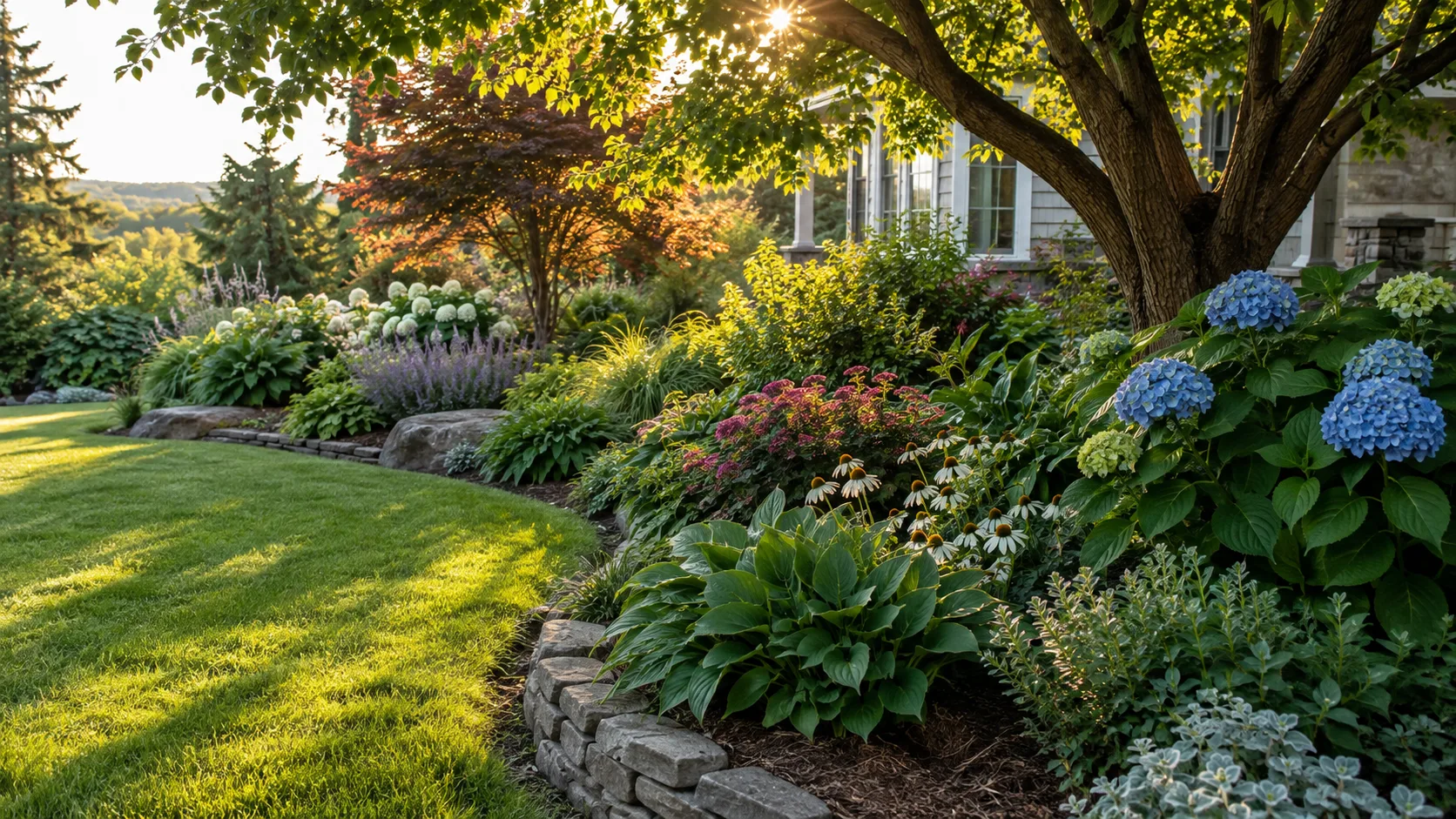
- Hydrangeas are famously miserable in afternoon sun. Give them morning sun and they thrive.
- Tomatoes want that afternoon heat. Morning-only sun produces small, slow-ripening fruit.
The hard part: knowing what your yard actually gets
The categories above are the plant side of the equation. The other side is figuring out how much direct sun each spot in your yard actually gets. That's genuinely hard to do from memory. The sun moves across your yard through the day, shifts with the seasons, and changes as your trees grow. Most people misjudge it, which is a big part of why "right plant, right place" is such repeated gardening advice.
How Greenlapse solves this side
Greenlapse turns a Ring camera (or manually captured photos) into a measured sunlight heatmap of each zone in your yard. Photos are taken throughout the day, cloudy frames are thrown out, and the app builds a heatmap showing exactly how many hours of direct sun each part of the zone gets on an average day.
The color scale is deliberately mapped to the same categories as plant tags:
- Blue = full shade (0-2 hours)
- Green, yellow, orange = the middle range (roughly 2-6 hours, covering part shade and part sun)
- Red = full sun (6+ hours)
So instead of guessing whether that corner by the fence is part sun or part shade, you can just look at the map. See our guide on reading your yard's sunlight patterns for a deeper walkthrough.
Matching plants to your zones
Once you know both sides — what the plant needs and what your yard offers — the matching gets simple:
- Full sun (red on the heatmap): tomatoes, roses, lavender, coneflowers, most vegetables, sunflowers
- Part sun (yellow-orange, afternoon hours): bee balm, coral bells, some daylilies, salvia
- Part shade (yellow-orange, morning hours): hydrangeas, ferns, astilbe, some hostas, foxglove
- Full shade (blue): most hostas, hellebores, moss, many ferns, wild ginger
Morning sun or afternoon sun? The heatmap shows total daily hours of direct sun but not when those hours happen. To tell a part-sun spot from a part-shade spot, open your zone's daily timelapse and scrub through it. You'll see exactly when sunlight moves across the area, which is what decides whether hydrangeas will thrive there or fry.
Two nuances worth remembering when you interpret both the tag and the heatmap:
Seasonality. A spot that's full sun in July might be almost fully shaded in January. Most plant tags refer to growing-season sun (roughly April through September in the US). Your heatmap will shift too as trees leaf out and drop.
Your climate matters. In hot southern climates, plants labeled "full sun" often prefer some afternoon shade in the peak of summer to avoid scorching. In cool northern climates, "part shade" plants often do just fine in full sun. The categories are guidelines, not laws.
The plant tag is a starting point. Your yard's actual conditions, and how they change through the year, are what determine whether the plant thrives.